
Cosmetic

Bonding

Reshape or repair your smile with tooth-colored composite resin. An affordable, non-invasive solution for chipped, gapped, or discolored teeth, often completed in a single visit with no anesthetic.
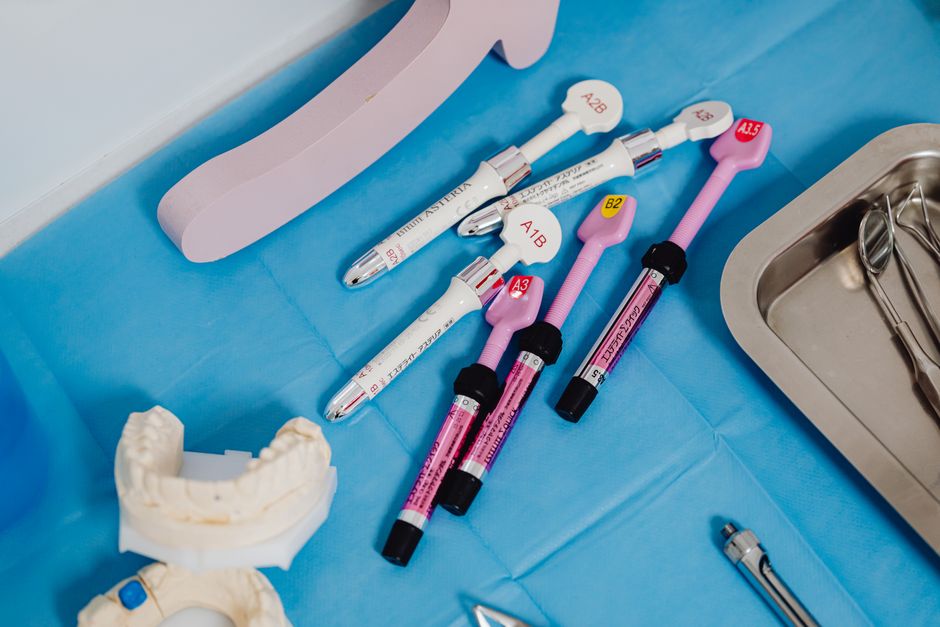
A detailed view of dental instruments and materials arranged on a sterile blue surface in a clinical setting.

A Simple, Affordable Way to Improve Your Smile

Bonding is a cosmetic procedure that allows us to reshape or repair your smile using composite resin. If you're insecure about the appearance of your smile or want an affordable alternative to invasive and more costly procedures such as orthodontics or veneers, cosmetic bonding may be the perfect solution.

With bonding, chipped or uneven teeth can be repaired easily and affordably, restoring your self-confidence. Additionally, bonding is often completed in a single visit and doesn't require any anesthetic.

As with most cosmetic procedures, bonding will wear and discolor over time, eventually needing to be replaced. However, bonding is very durable and typically lasts many years.


Reasons for Cosmetic Bonding

  • Closing spaces or gaps
  • Fixing chipped teeth
  • Fixing decayed teeth (teeth with cavities)
  • Lengthening uneven teeth
  • Protecting roots exposed by receding gums
  • Restoring badly discolored teeth

What Does Dental Bonding Involve?

To begin, we will isolate the teeth included in the procedure, etching them in preparation for bonding. After applying the etching conditioning liquid, the surface of the teeth will have small crevices that allow the tooth stronger adhesion with the bonding agent.

We will then apply a bonding resin which cements the composite in place. After several layers of tooth-colored composite are applied, the composite and bonding resin are shaped and hardened with a specially calibrated light. Once the composite is fully set, the bonded areas are smoothed, buffed, and polished to blend in naturally with the surrounding teeth.


If you want to regain confidence in your smile, contact our practice to learn more about bonding.

How it works
01

Preparation

We isolate the teeth and apply an etching solution to create small crevices on the tooth surface for stronger adhesion.

02

Bonding Application

A bonding resin is applied, followed by several layers of tooth-colored composite that are carefully shaped to match your natural teeth.

03

Hardening and Polishing

The composite is hardened with a special light, then smoothed, buffed, and polished to blend naturally with your surrounding teeth.

Common questions
Does bonding hurt?+

No, bonding is a gentle procedure that typically requires no anesthetic. Because we're working on the surface of your tooth, most patients experience no discomfort at all.

How long does bonding last?+

Bonding is very durable and typically lasts many years. Over time, the composite may wear or discolor and eventually need to be replaced, but with proper care, you can enjoy your results for a long time.

Can bonding fix cavities too?+

Yes, bonding can be used to repair decayed teeth by filling cavities with tooth-colored composite resin. This provides both functional restoration and a natural appearance.

Get in touch — Verona, NJ

Ready when you are — let's get you smiling.

New patients are always welcome. Give us a call, and we'll find a time that fits — gentle care, honest answers, no pressure.

  • No-pressure, unhurried first visit
  • We file your insurance for you
Call (973) 239-0032Contact us