Preventive

Oral Cancer Exam

Early detection saves lives. Our thorough oral cancer screenings check for abnormal tissue changes in your mouth, throat, and surrounding areas—painless and performed during your regular visits.
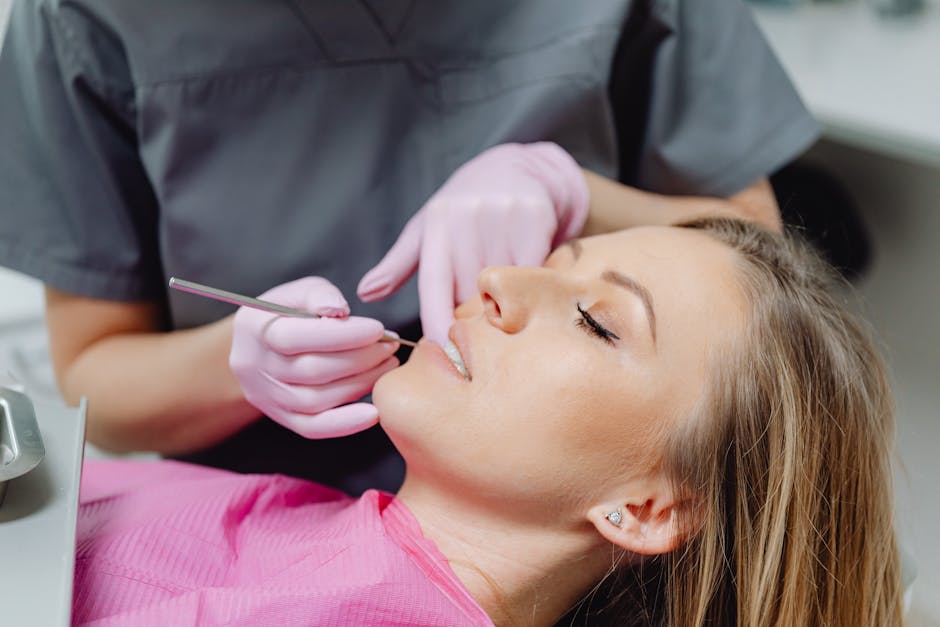
A female patient receives a dental examination by a dentist in a clinic.

Why Oral Cancer Screenings Matter

According to the American Cancer Society, more than 30,000 cases of oral cancer are diagnosed each year, with over 7,000 resulting in death. The good news? Oral cancer can be diagnosed early with an annual oral cancer exam and is highly treatable when caught in its earliest stages.

Oral cancer often begins without obvious symptoms, which is why regular screenings by your dentist are so important. The most common type is malignant squamous cell carcinoma, which typically originates in the lip and mouth tissues.


Where Oral Cancer Can Occur

We carefully examine all areas of your oral cavity and maxillofacial region, including:

  • Lips
  • Mouth
  • Tongue
  • Salivary glands
  • Oropharyngeal region (throat)
  • Gums
  • Face

What We Look For

During your oral cancer exam, we scrutinize your mouth and surrounding areas for signs of pathologic changes:

Red patches and sores – Red patches on the floor of the mouth, front and sides of the tongue, white or pink patches that fail to heal, and slow-healing sores that bleed easily can indicate cancerous changes.

Leukoplakia – A hardened white or gray, slightly raised lesion that can appear anywhere inside the mouth. Leukoplakia can be cancerous or may become cancerous without treatment.

Lumps – Soreness, lumps, or general thickening of tissue anywhere in the throat or mouth can signal problems.


The Examination Process

The oral cancer exam is completely painless. During the visual examination, we look for abnormalities and gently feel your face, glands, and neck for unusual bumps. We may also use advanced diagnostic tools like lasers that can highlight pathologic changes below the surface that would be invisible to the naked eye.

If we find any abnormalities, lesions, leukoplakia, or lumps, we'll create a diagnostic impression and treatment plan. If initial treatment is ineffective, we may perform a biopsy to identify the precise stage and grade of any oral lesion.


Prevention and Risk Factors

About 75 percent of oral cancers are linked with modifiable behaviors such as smoking, tobacco use, and excessive alcohol consumption. We're here to provide education and support for lifestyle changes and smoking cessation.

While we check for changes and lesions during your bi-annual cleanings, we recommend a dedicated comprehensive oral cancer screening at least once each year.

Any noticeable abnormalities in your tongue, gums, mouth, or surrounding area should be evaluated as quickly as possible. Early detection is key to effective treatment.

How it works
01

Visual Examination

We carefully inspect all areas of your mouth, tongue, throat, and oral tissues for any abnormal patches, sores, or lesions.

02

Physical Assessment

We gently feel your face, neck, and glands for any unusual lumps, bumps, or thickening of tissue.

03

Advanced Screening

When appropriate, we use diagnostic tools like lasers to detect changes below the surface that aren't visible to the naked eye.

04

Evaluation and Follow-Up

If we find anything of concern, we'll discuss next steps, which may include monitoring, treatment, or biopsy for definitive diagnosis.

Common questions
How often should I have an oral cancer screening?+

We check for changes during your bi-annual cleanings, but we recommend a dedicated comprehensive oral cancer screening at least once each year. If you have risk factors like tobacco use or a history of oral cancer, more frequent screenings may be appropriate.

Does the oral cancer exam hurt?+

No, the oral cancer examination is completely painless. We simply look at and gently feel the tissues in and around your mouth. Most patients don't even realize we're performing the screening.

What happens if you find something abnormal?+

If we notice any abnormalities, we'll create a treatment plan and monitor the area closely. Many abnormalities resolve with simple treatment. If needed, we may perform a biopsy to get a definitive diagnosis and determine the best course of action.

Get in touch — Verona, NJ

Ready when you are — let's get you smiling.

New patients are always welcome. Give us a call, and we'll find a time that fits — gentle care, honest answers, no pressure.

  • No-pressure, unhurried first visit
  • We file your insurance for you
Call (973) 239-0032Contact us