Periodontal

Periodontal Disease

Comprehensive care for gum disease, from early detection to treatment and maintenance. We help protect your gums and bone to keep your smile healthy for life.
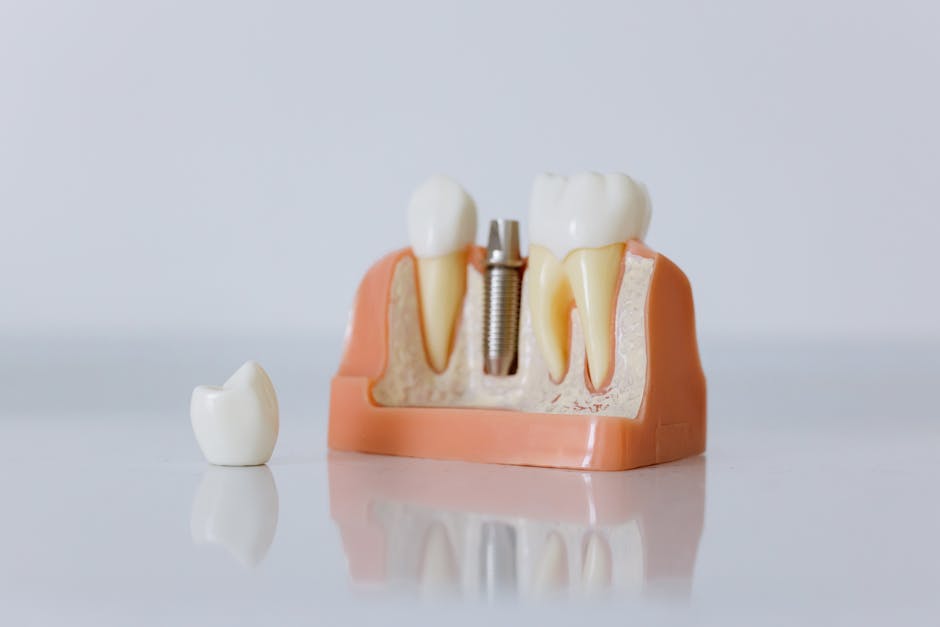
Close-up of a dental implant model featuring artificial teeth and jaw structure.

What Is Periodontal Disease?

The word "periodontal" means "around the tooth." Periodontal disease attacks the gums and the bone that support your teeth. It starts with plaque, a sticky film of food debris, bacteria, and saliva. If plaque is not removed through regular brushing and flossing, it hardens into calculus (tartar). When plaque and calculus build up, they begin to destroy the gums and bone that hold your teeth in place.

Periodontal disease is characterized by red, swollen, and bleeding gums. Four out of five people have periodontal disease and don't know it. Most people are unaware because the disease is usually painless in the early stages.


Why Periodontal Health Matters

Periodontal disease is the number one reason for tooth loss in adults. Beyond your mouth, research suggests there may be a link between periodontal disease and other serious health conditions, including stroke, bacterial pneumonia, diabetes, cardiovascular disease, and increased risk during pregnancy. Researchers are studying whether the inflammation and bacteria associated with gum disease affect these systemic conditions. Smoking also significantly increases your risk of developing periodontal disease.

Good oral hygiene, a balanced diet, and regular dental visits can help reduce your risk and catch problems early.


Signs and Symptoms of Periodontal Disease

Your gums are trying to tell you something. Watch for these warning signs:

  • Bleeding gums – Gums should never bleed, even when you brush vigorously or use dental floss.
  • Loose teeth – Caused by bone loss or weakened periodontal fibers that support the tooth.
  • New spacing between teeth – A sign of bone loss.
  • Persistent bad breath – Caused by bacteria in the mouth.
  • Pus around the teeth and gums – A clear sign that an infection is present.
  • Receding gums – Loss of gum tissue around a tooth.
  • Red and puffy gums – Healthy gums should be firm and pink, never red or swollen.
  • Tenderness or discomfort – Plaque, calculus, and bacteria irritate the gums and teeth.

Our Approach to Periodontal Care

At Essex Dental Arts, we take a comprehensive approach to gum health. We begin with a thorough examination to assess the condition of your gums and bone. If periodontal disease is detected, we'll create a personalized treatment plan that may include deep cleaning (scaling and root planing), improved home care techniques, and ongoing maintenance visits.

Our goal is to stop the progression of gum disease, restore your oral health, and help you keep your natural teeth for a lifetime. We'll work with you every step of the way, explaining what's happening and what you can do to protect your smile.

How it works
01

Comprehensive Examination

We carefully examine your gums, measure pocket depths, and assess bone levels to determine the extent of any periodontal disease.

02

Personalized Treatment Plan

Based on your diagnosis, we create a treatment plan that may include deep cleaning, improved home care, and lifestyle recommendations.

03

Treatment

We perform scaling and root planing to remove plaque and calculus below the gum line, allowing your gums to heal and reattach to your teeth.

04

Maintenance

Regular follow-up visits help us monitor your progress and prevent disease from returning, keeping your gums healthy for life.

Common questions
Is periodontal disease painful?+

In the early stages, periodontal disease is usually painless, which is why many people don't realize they have it. As it progresses, you may experience tenderness, discomfort, or sensitivity. Regular dental checkups help us catch it early before symptoms appear.

Can periodontal disease be reversed?+

In its earliest stage, called gingivitis, gum disease can often be reversed with professional cleaning and improved home care. Once it progresses to periodontitis with bone loss, we can stop the disease and prevent further damage, but lost bone typically does not grow back on its own.

How does smoking affect my gums?+

Smoking significantly increases your risk of developing periodontal disease and makes it harder to treat. It reduces blood flow to the gums, impairs healing, and weakens your immune response to infection. Quitting smoking is one of the best things you can do for your oral and overall health.

Get in touch — Verona, NJ

Ready when you are — let's get you smiling.

New patients are always welcome. Give us a call, and we'll find a time that fits — gentle care, honest answers, no pressure.

  • No-pressure, unhurried first visit
  • We file your insurance for you
Call (973) 239-0032Contact us